

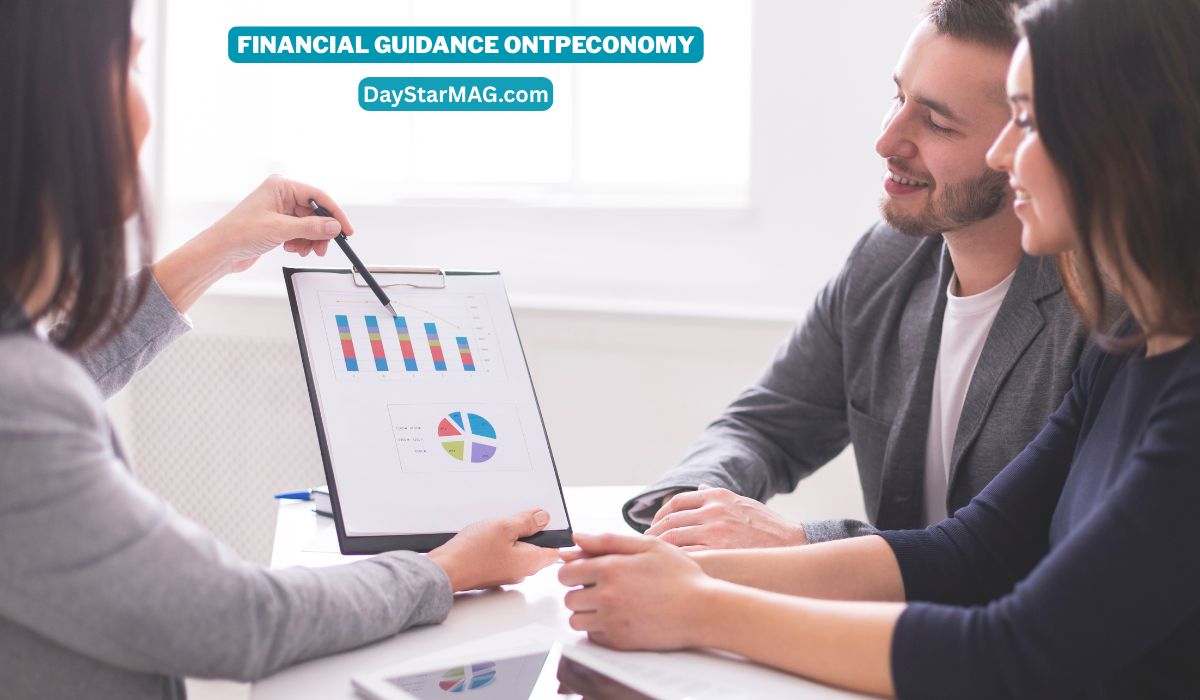
In an era of constant economic change, uncertainty, and financial disruption, the need for reliable financial guidance has never been greater. The term “financial guidance ontpeconomy” captures a modern approach — one that merges financial literacy, economic awareness, and personalized money strategies to help individuals and businesses thrive, no matter the market conditions.
Whether you’re an entrepreneur, investor, or everyday saver, understanding how financial guidance aligns with today’s economy (OntpEconomy) can give you the clarity and control you need to make confident financial decisions.
This article will explore actionable insights, expert advice, and answers to common user questions to help you navigate financial growth effectively.
What Is Financial Guidance OntpEconomy?
“Financial guidance ontpeconomy” refers to a structured way of managing personal or business finances within the larger context of the global economy. It’s not just about budgeting or saving — it’s about strategic alignment with market trends, inflation cycles, government policies, and digital finance evolution.
It blends:
- Financial Guidance: Expert-driven or data-backed advice for managing, investing, and saving money wisely.
- OntpEconomy (On-the-Point Economy): A conceptual term describing how real-time economic movements directly affect personal and business financial decisions.
Together, the concept emphasizes timely, informed, and adaptable decision-making — helping individuals and organizations maintain resilience in fluctuating markets.
Why Financial Guidance Matters in Today’s Economy
We live in an economy that’s global, digital, and unpredictable. Interest rate hikes, inflation, stock market swings, and changing consumer behavior all affect financial stability.
Here’s why professional or well-structured financial guidance matters today:
- Inflation Management:
A solid plan helps offset inflation’s impact through smart investments and diversified savings. - Risk Reduction:
Financial advisors help assess and mitigate risks — from market downturns to unexpected expenses. - Wealth Growth:
Guidance ensures your money works for you through compounding, investing, and optimized asset allocation. - Tax Optimization:
Knowing how to legally minimize taxes can lead to higher net returns. - Long-Term Stability:
A guided approach creates sustainable financial growth — not just short-term profit.
Key Pillars of Financial Guidance OntpEconomy
To truly master financial management in the OntpEconomy framework, focus on these five core pillars:
1. Awareness and Education
Financial literacy is the foundation of all wealth. Understanding how markets, currencies, and investments function is essential before making decisions.
Example: Knowing the impact of interest rate changes on your savings can prevent poor investment choices.
2. Strategic Budgeting
Budgeting in the OntpEconomy is not about restriction — it’s about strategic allocation.
Smart budgeting means:
- Dividing income into essential, discretionary, and investment categories.
- Adjusting for inflation and price fluctuations.
- Tracking expenses using fintech apps that give real-time insights.
3. Investment Diversification
Relying on a single asset class (like real estate or crypto) is risky.
Modern financial guidance recommends:
- Stocks & ETFs for growth.
- Bonds & fixed deposits for stability.
- Real estate for tangible value.
- Digital assets for innovation exposure.
A well-diversified portfolio aligns with OntpEconomy principles — adapting to global market shifts.
4. Emergency Preparedness
Economic disruptions like recessions or pandemics prove that an emergency fund isn’t optional.
Aim for at least 6–12 months of living expenses in liquid assets. It ensures peace of mind and shields you from debt traps during downturns.
5. Long-Term Vision
Sustainable financial success requires long-term perspective. Instead of chasing quick profits, focus on compounding growth, retirement planning, and passive income streams.
OntpEconomy values strategic patience over instant gratification.
Practical Financial Guidance Tips for 2025 and Beyond
With rapid changes in technology, policies, and global markets, here are some future-focused financial strategies to consider:
1. Embrace Digital Financial Tools
Platforms like Robo-advisors, AI-based investment trackers, and fintech budgeting apps simplify money management.
They use real-time data to provide OntpEconomy-aligned insights — helping you adjust your portfolio instantly.
2. Invest in Knowledge
Read economic reports, follow credible finance blogs, and attend webinars by certified financial experts.
The more you understand global finance, the smarter your financial moves become.
3. Monitor Global Trends
Even local economies are affected by international developments.
For instance:
- Oil price fluctuations influence transport costs and inflation.
- Federal Reserve policies affect currency values worldwide.
Understanding these connections strengthens your OntpEconomy mindset.
4. Optimize Tax Strategies
Tax-efficient investing can significantly improve your net returns.
Seek professional help for deductions, credits, and compliance with local regulations.
5. Avoid Emotional Investing
Market volatility can cause fear or greed-driven decisions.
OntpEconomy guidance encourages data-backed, emotion-free investing — where every move is measured against actual market metrics, not media hype.
The Role of Technology in Financial Guidance OntpEconomy
Technology is the backbone of modern finance.
AI, blockchain, and predictive analytics are reshaping how individuals receive guidance, manage portfolios, and make financial choices.
AI and Predictive Insights
AI tools analyze real-time economic trends to forecast potential market behavior.
For example, AI can identify patterns suggesting when a recession might occur or when stock volatility could rise.
Blockchain and Transparency
Decentralized financial systems (DeFi) offer transparency and accessibility, allowing users to monitor transactions, assets, and risks without intermediaries.
Data-Driven Personalization
Smart algorithms can create personalized financial plans that match your spending patterns, investment behavior, and risk tolerance — a true OntpEconomy advantage.
The Psychology Behind Financial Guidance
Finance isn’t just math — it’s mindset.
Even with the best strategies, success depends on your emotional discipline and awareness of behavioral biases.
Common pitfalls include:
- Overconfidence: Assuming markets will always move your way.
- Loss Aversion: Fear of losing small amounts prevents taking necessary risks.
- Herd Mentality: Following trends instead of logic.
Effective financial guidance helps identify and neutralize these biases — ensuring decisions remain rational and strategic.
Financial Guidance OntpEconomy for Businesses
Businesses operate within the same economic framework but face amplified challenges.
Sound financial guidance enables:
- Optimized cash flow management.
- Smart capital allocation.
- Sustainable scaling.
For example, during inflationary phases, financial advisors help firms rebalance their budgets, lock in favorable contracts, and hedge against currency risks.
Pro Tip:
SMEs should integrate digital accounting and analytics tools for real-time financial clarity — a core OntpEconomy principle.
The Future of Financial Guidance OntpEconomy
Looking ahead, financial guidance will evolve into a hybrid model — merging human expertise with AI-powered precision.
Expect:
- Real-time, adaptive investment recommendations.
- Personalized dashboards showing live market impacts on your finances.
- Smarter automation that prevents overspending and tracks opportunities.
This shift makes financial control more accessible and democratized, giving everyone the chance to make informed, data-backed decisions.
Final Thoughts: Building Financial Strength in the OntpEconomy Era
The concept of financial guidance ontpeconomy is not a trend — it’s a transformation.
It redefines how we manage, invest, and secure our money in a rapidly evolving world.
Whether through professional advisors, smart apps, or personal research, the goal remains the same: financial empowerment through informed action.
To succeed in the OntpEconomy era:
- Stay educated.
- Diversify your income.
- Adapt with technology.
- Think long-term, not short-term.
- Make every decision with data and discipline.
When you integrate these principles, you don’t just react to the economy — you stay ahead of it.
FAQs About The Financial Guidance Ontpeconomy
1. How can financial guidance help me build wealth?
Professional guidance helps align your income, savings, and investments with your financial goals. It ensures that you make informed decisions, avoid emotional mistakes, and stay consistent even during economic turbulence.
2. Is financial guidance worth it for small businesses?
Absolutely. Small businesses benefit from guidance in cash flow management, tax planning, and investment forecasting — all crucial for surviving competitive markets.
3. What’s the difference between financial guidance and financial planning?
- Financial Planning is the blueprint — outlining your goals and strategies.
- Financial Guidance is the ongoing process — ensuring your plan evolves with market trends and life changes.
4. How does the OntpEconomy concept affect financial decisions?
It promotes real-time awareness. Instead of following outdated financial models, OntpEconomy encourages adapting your financial strategy based on current data, such as inflation, global trade shifts, and digital currency adoption.