In today’s content‑heavy world, voice‑overs and narration play a bigger role than ever. From
YouTube videos and tutorials to marketing campaigns, explainer videos, and social content, a
strong, consistent voice can build trust, define brand identity, and make your message
memorable. AI voice cloning makes all of this simpler. It lets creators generate professional,
human‑like voice narration quickly — without needing studio time, repeated voice‑overs, or hiring expensive voice actors.
If you create a lot of video content, AI voice cloning can save you time, money, and headache, while keeping your voice style consistent across all projects.
What Is AI Voice Cloning?
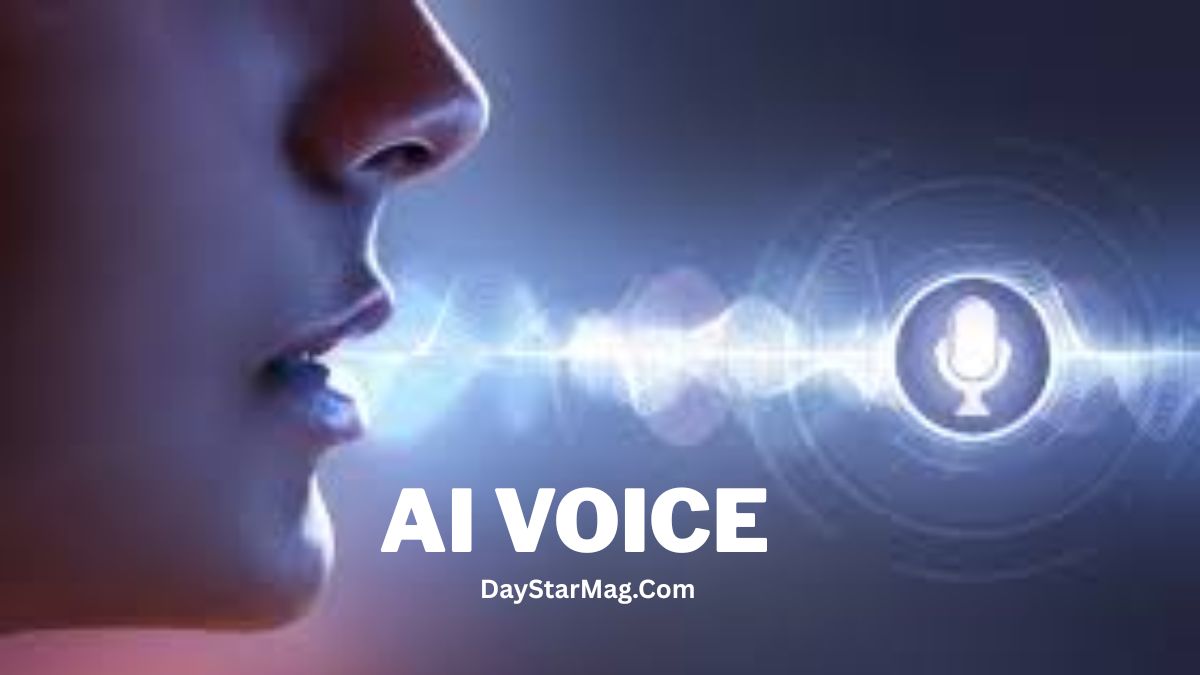
AI voice cloning is a technology that uses deep‑learning algorithms to replicate a real human
voice. You provide a short audio sample of a person speaking, and the AI learns their pitch,
tone, cadence, and inflection — the small features that make a voice unique.
Once trained, the cloned voice can read any text you provide, using the same tone and style.
This means you can generate new voice‑overs without needing to re-record anything, ideal if
you want to reuse the same voice for multiple videos, tutorials, ads, or courses.
Unlike older robotic text‑to‑speech systems, modern AI voice cloning can sound quite natural,
emotional, expressive, and close to a real human narrator.
Why Creators Need Consistent Narration
Consistency in narration matters for several reasons:
● Brand identity & trust: When the same voice narrates multiple videos, viewers get
familiar with it. This builds a sense of reliability and professionalism.
● Better engagement: A steady, familiar voice keeps the viewer comfortable and
engaged. They aren’t distracted by sudden changes in tone or quality.
● Efficiency & scalability: With a cloned voice, you can release new content fast — no
scheduling voice actors, recording sessions, or re‑recording mistakes.
● Cost savings: No need to hire voice talent repeatedly. Once the voice is cloned, the
cost is limited to the AI usage.
● Flexibility across content types: Whether it’s tutorials, product demos, training videos,
multilingual content, or ads — the same voice can be reused across formats, creating
coherence across all content.
These advantages become especially valuable for creators who publish frequently, manage
multiple video series, or cater to different languages and markets.
How AI Voice Cloning Fits Into a Creator Workflow
Here is a typical workflow when using AI voice cloning for video creation:
- Record a voice sample: Say a few lines clearly and cleanly. This becomes the base
reference for cloning. - Train the clone: The AI analyzes the sample’s tonality, cadence, pitch, and inflection,
and creates a voice model. - Write or paste your script: Whether it’s a video script, ad copy, narration for a tutorial
— just input your text. - Generate the voice‑over: The cloned voice reads the script in a voice that mimics the
original. - Sync with video or animation: Combine the audio with your visuals — product demos,
explainer videos, social content, ads, etc. - Use consistently across videos: For a series or brand channel, every video can use
the same voice model.
This workflow removes pain points like rescheduling recording sessions, inconsistent tone, or
hiring multiple voice actors. It also lets you scale content production without compromising voice
consistency or quality.
What Creators Can Do With AI Voice Cloning
An AI voice cloning tool, like invideo, opens up many creative and practical possibilities:
● YouTube series & tutorials: Use the same voice across episodes, building familiarity
with your audience.
● Product demo videos: Add consistent narration to walkthroughs or demo reels.
● Explainer videos: Use a friendly, clear voice to simplify complex ideas or services.
● Marketing ads & promo videos: Maintain a brand’s vocal identity across ads, social
promos, and campaigns.
● Multilingual content: Clone a voice and generate narration in multiple languages,
keeping tone and identity consistent across translations.
● E-learning, training, and tutorials: Create long-form course videos or short
micro‑lessons with the same voice for consistency and professionalism.
● Podcasts & audio content: Use AI‑generated voice to produce podcasts, voice‑overs,
or audio versions of written content — without needing a recording studio every time.
Possible Downsides & Points of Ethics (And How to Approach Them)
AI voice cloning is powerful — but not without responsibilities. Because cloning can replicate
real voices, it can be misused for deepfakes, scams, or unauthorized voice impersonation.
To use the technology responsibly:
● Always get the person’s consent whose voice you will clone.
● Use audio samples that are clear and private.
● Label or watermark AI‑generated content if required, especially when using cloned
voices.
● Follow pertinent platform or legal guidelines with respect to synthetic voice use.
When used ethically, AI voice cloning becomes a powerful tool to enhance creativity — while
avoiding potential misuse.
Recommended Tools for Creators
Here’s a list of valuable tools that creators can use to leverage voice cloning and build
consistent narration. I’ve placed the tool at the forefront that matches your workflow best,
followed by other useful options.
Tool: What It Helps You Do
Invideo: Use voice cloning or integrated AI‑voice features to generate narration,
combine with videos, edit, and export — all in one place. Ideal for creators
who want a seamless pipeline from script to final video.
Resemble AI: Clone your voice (or a custom voice), generate high‑quality narration fast,
and sync with videos — great for multilingual content or large-scale video
production.
ElevenLabs: Known for producing highly realistic, expressive cloned voices — useful
for podcasts, ads, and videos needing emotional depth.
Typecast (AI
voice generator)
Offers expressive TTS and voice‑cloning, with options for tone, pitch, and
emotional delivery — useful for explainer videos, animated content, or
social media clips.
VidBoard AI (or similar)
Combines voice cloning with video creation tools — helpful for creators
who want to produce content quickly without switching platforms or tools.
These tools make it easier for creators — whether you’re working alone or as part of a team —
to maintain a consistent voice across different formats, languages, and video types.
Conclusion
If you produce a lot of video content — tutorials, product demos, marketing videos, social reels,
or multilingual content — AI voice cloning is one of the smartest investments you can make. It
helps you move faster, scale content, maintain a consistent voice, and stay within budget.
With a single voice clone, you can build a recognizable brand voice, produce on-demand
videos, and avoid the hassle of multiple studio sessions. For creators, marketers, or businesses
working at scale, this technology offers unmatched efficiency and consistency.
That said, use voice cloning responsibly. Ensure you have proper consent, follow ethical
guidelines, and stay transparent if using synthetic voices publicly.
About the Author